

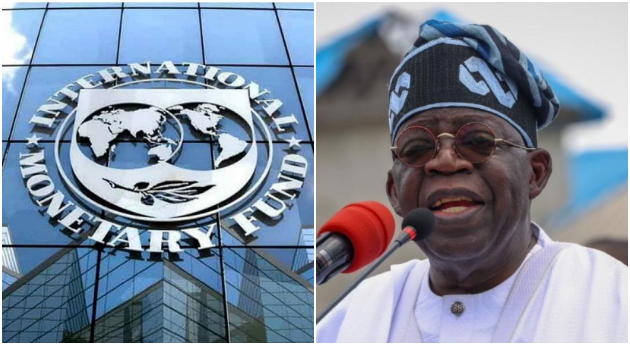
The International Monetary Fund (IMF) has revised its global growth outlook and signaled a major boost for Nigeria forecasting that the country will grow at 3.4% in 2025, surpassing economic growth expected in the United Kingdom (1.2%), Germany (0.1%), Canada (1.6%), and the United States (1.9%). This projection places Nigeria among the top-performing global economies for the year.
Since its April assessment, the IMF raised Nigeria’s 2025 GDP growth estimate by 0.4 percentage points, reflecting improved economic conditions and reforms under President Tinubu’s administration.
What Behind the Surge?
- GDP rebasing: Nigeria’s economy was rebased from 2010 to 2019, boosting 2024 GDP estimates to ₦372.8 trillion (~$244 billion), and incorporating previously uncounted sectors such as digital services, informal trade, and pensions.
- Policy reforms: Actions like subsidy removal and naira liberalization have enhanced macroeconomic stability, attracting foreign capital.
Comparisons with Advanced Economies
| Country | 2025 Growth Forecast |
|---|---|
| Nigeria | 3.4% |
| United Kingdom | 1.2% |
| Germany | 0.1% |
| Canada | 1.6% |
| United States | 1.9% |
The forecast places Nigeria firmly ahead of these advanced economies and signals potential for increased investor confidence in frontier markets.
- Nigeria closed 2024 with its fastest quarterly growth in three years (3.84%), largely driven by a robust services sector.
- Growth is expected to moderate slightly in 2026, with a projected rate of 3.2%.
This projection is not simply about surpassing richer nations. It reflects Nigeria’s structural economic reforms, including:
- Inclusive rebasing of GDP to encompass informal and digital sectors
- Improved fiscal transparency and deregulation
- Attracting foreign investment despite global trade challenges
However, ongoing high inflation and volatility in global oil prices remain persistent risks to sustained growth.
While challenges remain, the message is clear: Nigeria is poised for stronger economic performance in 2025 surpassing several advanced economies. Continued reform and stability will be key to turning this projection into lasting recovery and growth.