

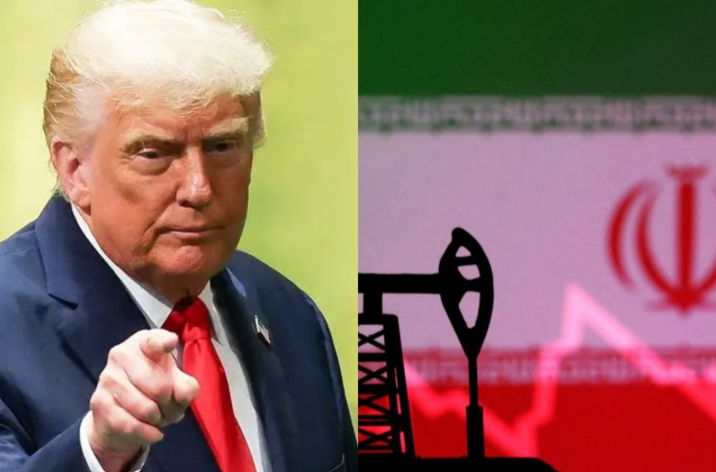
For months, the threat of a wider conflict between the United States and Iran has kept governments, businesses, and ordinary families on edge. Now, a major breakthrough could ease those fears. The announcement of a new peace agreement between the two longtime rivals has the potential to affect everything from global oil supplies to shipping costs and economic confidence around the world.
According to statements released by both sides, the United States and Iran have agreed to end hostilities and restore maritime movement through the Strait of Hormuz, one of the world’s most important shipping routes. The development was announced by U.S. President Donald Trump, who declared that restrictions affecting naval activity in the region would be lifted.
Trump stated that the agreement had been finalized and authorized the reopening of the Strait of Hormuz. He also announced the immediate removal of the U.S. naval blockade, signaling a major shift in tensions that had raised concerns about trade disruptions and energy supplies.
The announcement was echoed by Pakistani Prime Minister Shehbaz Sharif, who said extensive diplomatic efforts had helped bring both sides to an agreement. According to Sharif, the United States and Iran have committed to ending military operations immediately, marking what could become one of the most significant diplomatic developments in the region in recent years.
Why This Matters Beyond Politics
The Strait of Hormuz is far more than a military flashpoint. It is one of the busiest energy corridors on Earth. A large share of the world’s oil shipments passes through these waters every day.
When tensions rise in the region, markets often react quickly. Fuel prices can climb, shipping companies face higher costs, and businesses around the world brace for uncertainty. A reopening of the route could help calm those concerns and improve confidence across global markets.
The agreement also sends a message that diplomacy remains possible even after periods of intense confrontation. While peace deals do not erase years of mistrust overnight, they can create space for further negotiations and reduce the immediate risk of military escalation.
Public Reaction and What Comes Next
The reaction online is likely to be mixed but intense. Supporters of the agreement are already celebrating the possibility of avoiding further conflict and restoring stability in a region that plays a major role in the global economy.
Others remain cautious. Many observers will want proof that both sides follow through on their commitments before declaring the crisis over. Skeptics are expected to question how durable the agreement will be and whether deeper disputes between Washington and Tehran have truly been resolved.
The next major development to watch is implementation. Analysts, governments, and energy markets will be monitoring whether military operations actually stop, whether ships move freely through the Strait of Hormuz, and whether additional diplomatic steps follow in the coming days and weeks.
If this agreement holds, could it mark the start of a longer period of stability in the Middle East, or is it only a temporary pause in a much larger rivalry?
